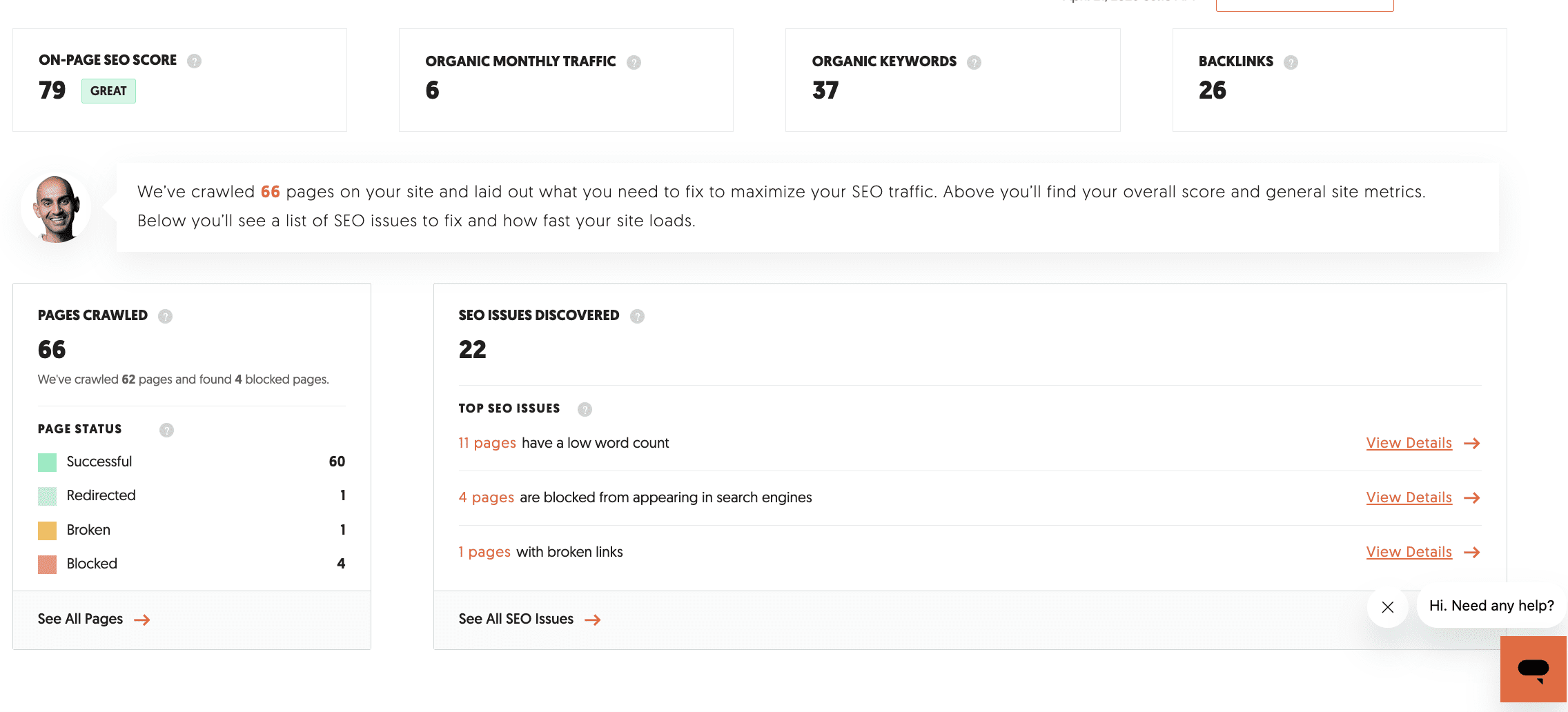
Most wedding photographers I speak to rely heavily on Instagram.
And it makes sense.
It is visual, quick, and a lovely way to share your work, your personality, behind-the-scenes moments, and recent weddings.
But Instagram is not the only place couples are looking for their photographer.
Someone might search for a wedding photographer in Manchester, a documentary wedding photographer in London, or a photographer for their wedding venue in Derbyshire.
They are not just browsing at that point.
They are actively looking for someone.
And if your website does not make it clear where you work, what type of photography you offer, and how someone can enquire, Google has less information to work with.
This is where local SEO comes in.
In this guide, I’m going to explain the local SEO foundations I look at when helping wedding photographers get found in the places they actually want to work.
Table of Contents
1. Why Local SEO Matters for Wedding Photographers
2. How Local SEO Fits Into My Website Design Work
3. Common Local SEO Mistakes Wedding Photographers Make
4. How Local SEO Helps Photographers Get Found
5. Choosing Local Keywords for Your Photography Website
6. How to Structure Your Website for Local SEO
7. Venue Blog Posts and Local Content
8. Image SEO for Photographers
9. Instagram vs Google
10. How Long Local SEO Takes
11. Practical Local SEO Tips
Why Local SEO Matters for Wedding Photographers
SEO is not just about getting more traffic.
It is about getting the right people to your website.
For most wedding photographers, that means couples who are looking for someone in a specific area, at a specific venue, or with a particular style.
Someone searching for “wedding photographer” could be anywhere in the world.
But someone searching for “Derbyshire wedding photographer” or “wedding photographer at [venue name]” is giving Google much more information about what they need.
That is why local SEO can be such a useful part of your marketing.
It helps Google connect your website with the places you serve and the type of photography you offer.
This is especially important if you work across several locations.
You might be based in Manchester but photograph weddings across Cheshire, Derbyshire, Staffordshire, or the Peak District. Google needs to understand that clearly, and your potential clients need to understand it too.
Local SEO is not about adding a list of locations to every page.
It is about creating a consistent picture of your business across your website, Google Business Profile, reviews, social media, directories, and blog content.
How Local SEO Fits Into My Website Design Work
I did not start learning SEO just for the sake of it.
I started because the websites I was designing were not getting found.
The photographers I was working with had beautiful images, strong brands, and websites that looked like them. But if Google could not understand what they offered or where they worked, the website was still missing opportunities.
That led me to properly study SEO, including training through Moz.
I quickly realised that local SEO is not just about adding a location to a homepage.
It is about how the whole website works together.
Your service pages, location information, Google Business Profile, reviews, blog posts, images, and internal links should all support the same message.
That is why SEO is part of how I think about website design from the beginning.
A beautiful website is important.
But it also needs to be clear enough for the right people to find it.
Common Local SEO Mistakes Wedding Photographers Make
There are a few local SEO mistakes I see quite often on wedding photography websites.
They include:
- Not clearly saying where the photographer is based
- Listing locations that they do not actually serve
- Targeting only broad phrases such as “wedding photographer”
- Having a Google Business Profile with incomplete information
- Using different versions of the business name across platforms
- Not linking location-based blog posts to the main service page
- Writing venue posts without explaining the photographer’s connection to the venue
- Having reviews that do not mention the service or location naturally
- Creating separate location pages with almost identical copy
- Relying on Instagram without building searchable website content
Most of these issues are not difficult to fix.
But they can make it harder for Google to understand where your business belongs.
The aim is not to mention your location as many times as possible.
It is to make your location, service, and business information clear and consistent.
How Local SEO Helps Photographers Get Found
At its simplest, local SEO helps Google understand three things:
What you offer.
Where you work.
Who your service is for.
For a wedding photographer, that could mean helping Google connect your website with searches such as:
- Wedding photographer in Manchester
- Documentary wedding photographer in London
- Derbyshire wedding photography
- Wedding photographer for [venue name]
- Peak District wedding photographer
The exact searches will be different for every photographer.
That is why I would not recommend copying someone else’s location list or choosing locations just because they sound good.
Your focus should be based on the places you genuinely serve, the type of work you want to book, and what people are actually searching for.
Choosing Local Keywords for Your Photography Website
Local keyword research is about finding the balance between relevance, search demand, and competition.
A keyword might be highly relevant to your business, but if nobody searches for it, it may not bring much visibility.
On the other hand, a keyword might have lots of searches but be so broad and competitive that it is difficult for your website to make progress.
Instead of focusing only on “wedding photographer”, you might look at more specific phrases such as:
- Wedding photographer Manchester
- Derbyshire wedding photographer
- Documentary wedding photographer UK
- Peak District wedding photographer
- Wedding photographer at [venue name]
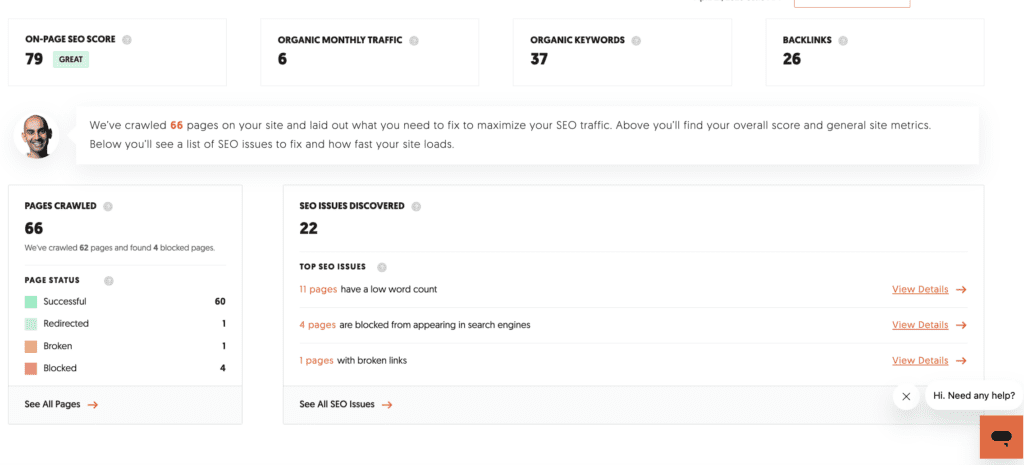
You can use tools such as Ubersuggest to look at search volume, competition, and how keywords are moving over time.
But the numbers are only part of the decision.
The keyword also needs to match the work you actually offer and the locations you genuinely serve.
This is something I worked through with Sophie from Nostalgia Photography.
The location she originally wanted to focus on made sense from a business point of view, but there was almost no search demand for it.
That did not mean the location was unimportant to her.
It just meant it was not the strongest keyword focus for the website.
So instead of forcing that phrase into the copy, I looked at the areas Sophie genuinely worked in that people were already searching for.
We shifted the focus towards Derbyshire, the Peak District, and Staffordshire. I then updated the website copy so those locations were included naturally, rather than repeating them in every section.
I also added schema, location-focused alt text, and clearer local relevance across her portfolio pieces.
The lesson was not to always choose the keyword with the biggest search volume.
It was about finding the balance between search demand, competition, relevance, and the type of work Sophie actually wanted to book.
How to Structure Your Website for Local SEO
Your website should be simple for both people and search engines to navigate.
A basic structure might look like this:
- Home
- Wedding Photography
- Portfolio
- About
- Blog
- Contact
Your main wedding photography page should clearly explain what you offer and where you work.
Your portfolio should show the type of weddings you want to photograph.
Your blog should support your service page with useful, relevant content.
And your contact page should make it easy for someone to take the next step.
If you work across several genuine service areas, you may also need location pages.
But these should only be created when you have something useful to say about that location.
A location page should include your experience in the area, the venues you photograph at, the type of weddings you work on, and why couples might choose you.
It should not be the same page with a different location name swapped in.
Venue Blog Posts and Local Content
Blogging can help you appear for more specific local searches, but only when the post has a clear purpose.
For wedding photographers, this might include:
- A real wedding at a specific venue
- A guide to wedding venues in an area
- Engagement-session locations
- Planning advice for couples getting married locally
- A personal guide based on weddings you have photographed
A real wedding post can include the venue name, location, type of ceremony, season, style of wedding, and the parts of the day you photographed.
That gives Google more context, but it also makes the post more useful for couples who are researching their own wedding.
The important thing is to write from experience.
Do not create a venue guide for somewhere you have never worked just because you think the keyword might bring traffic.
Your blog should reflect the work you actually do and the couples you actually want to attract.
Each relevant post should also link back to your wedding photography service page.
For more ideas, read 5 Blog Post Ideas That Boost SEO for Wedding Photographer Websites.
Image SEO for Photographers
Images are a huge part of a photography website, but they still need useful context.
Before uploading an image, think about the file name, file size, format, and alt text.
For example:
- File name:
los-angeles-wedding-photographer.jpg - File name:
london-wedding-photography-ceremony.jpg - Alt text:
Couple walking through the grounds after their London wedding ceremony
The descriptions should be natural and accurate.
You do not need to add the same location keyword to every image, and you should never turn your alt text into a list of keywords.
A useful description tells people what is happening in the image and gives Google a little more context about the page.
You should also compress large images before uploading them. This can help your website load more quickly, especially for people browsing on mobile.
Instagram vs Google
Instagram and Google can both play a role in your marketing, but they help people find you in different ways.
Instagram gives people a way to connect with your personality and see your work.
Google gives people a way to find you when they are actively searching for a photographer in their area.
I would not rely on only one platform.
Use Instagram to build familiarity, then make sure your website gives people a clear place to go when they are ready to find out more or enquire.
How Long Local SEO Takes
Local SEO is not instant.
It can take time for Google to understand your website, process changes, and connect your business with the right searches.
A newer website may need longer because it has less content, fewer links, and less history for Google to work with.
An established website may see movement more quickly, especially if it already has strong content and some existing authority.
The first signs of progress are not always page-one rankings.
You might notice your website appearing for new local keywords, receiving more impressions in Search Console, ranking for your business name, or getting clicks from areas you genuinely serve.
That early movement still matters.
It shows that Google is beginning to connect your website with the right service and location.
Practical Local SEO Tips
If you want to start improving your local SEO, begin with these steps:
- Make your main service and location clear on your homepage.
- Check that your Google Business Profile information is complete.
- Make sure your business name is consistent across your website and other platforms.
- Choose locations you genuinely serve.
- Create useful pages for your main service areas.
- Write real wedding and venue content based on your experience.
- Link local blog posts back to your wedding photography service page.
- Add natural, descriptive alt text to your images.
- Ask happy clients for honest reviews.
- Track impressions, clicks, rankings, and enquiries over time.
You do not need to do everything at once.
Start by making the information about your business clearer and more consistent.
That is usually a much better place to begin than adding more and more keywords.